
I come out and look first
I come out myself, get down into the crawl space, and take photos and notes on what's there, from old insulation and wiring to gas appliances and anything stored on the dirt. Nothing gets priced until I've seen it.
Musty smell or damp dirt under the house? We cover the crawl space ground with plastic so less moisture rises toward your floors.
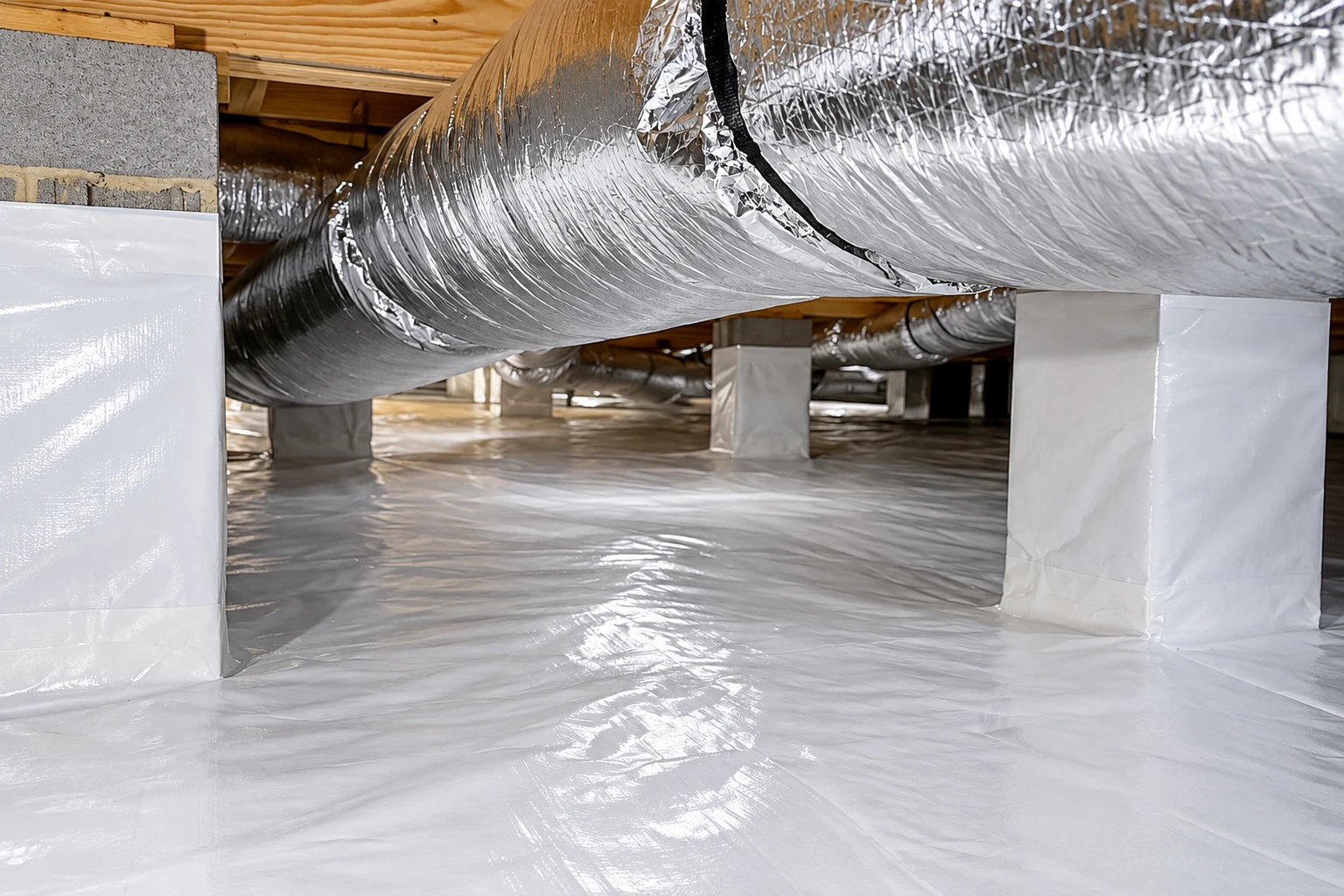
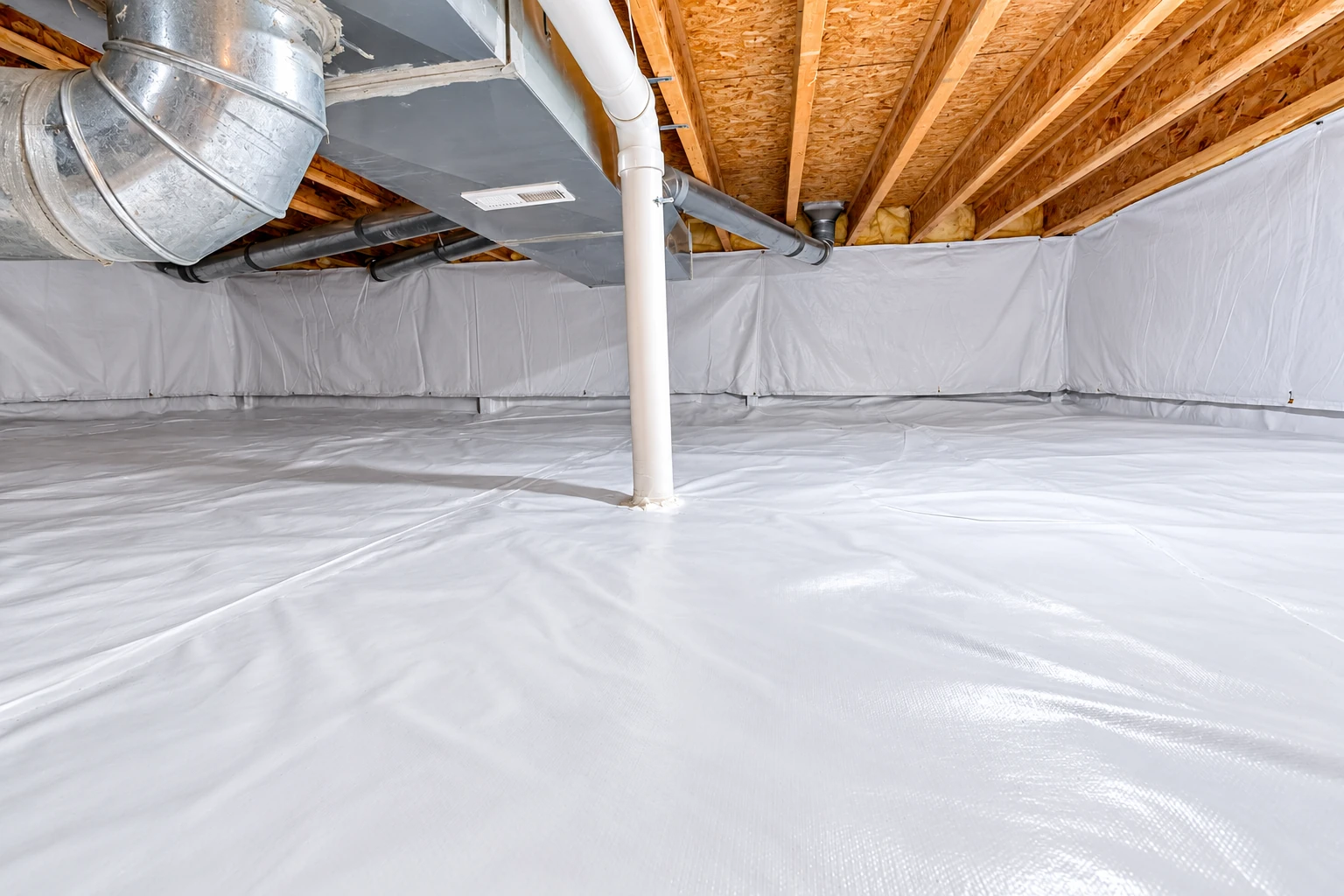
Vapor barrier installation in Visalia means covering the bare dirt of your crawl space with a sheet of plastic, so less moisture vapor rises from the ground into the space under your floors.
Most calls start with a musty smell in the house, cold floors over the crawl space, or dirt that looks damp when you lift the hatch. A ground cover won't stop a plumbing drip or water coming in from outside, so I look for those first and tell you if part of the job belongs to another trade before we lay anything.
The price mostly turns on how big the crawl space is, how hard it is to get in and move around, how much stored stuff and debris has to come out, how many walls and piers the plastic has to wrap, and whether the space is vented or sealed. The schedule turns on that same access, plus whether the city or county needs a permit for your address. Your estimate breaks your own figure down step by step, so you can see where the cost comes from.
I learned this trade on new houses while every wall was still open, and I started this business in Visalia in 2023 to do the harder work in lived-in homes, in the right order. Here's how a crawl space job goes with us.
I come out myself, get down into the crawl space, and take photos and notes on what's there, from old insulation and wiring to gas appliances and anything stored on the dirt. Nothing gets priced until I've seen it.
You get the estimate in writing, with every step in the order we'll do it and photos of what I found. I go over those photos with you so you know exactly what you're paying for.
On the day, our trained installers protect the house and do the work in the order the estimate lists. We're licensed and insured, and I check the finished crawl space against the estimate before we pack up.
We lay the plastic so water under your house keeps draining the way it already does, because a ground cover that dams a low spot or turns water toward a footing just makes a new problem. So I look at where water runs and pools before we plan the layout, and then we cover the whole floor, carrying the plastic up the walls, piers and footings instead of stopping short at the edges. The estimate names the material we're quoting so you can compare it with other bids, and it's worth asking every bidder about thickness, since federal installer guidance calls for plastic at least 6 mil thick with a low perm rating, the measure of how much vapor gets through.
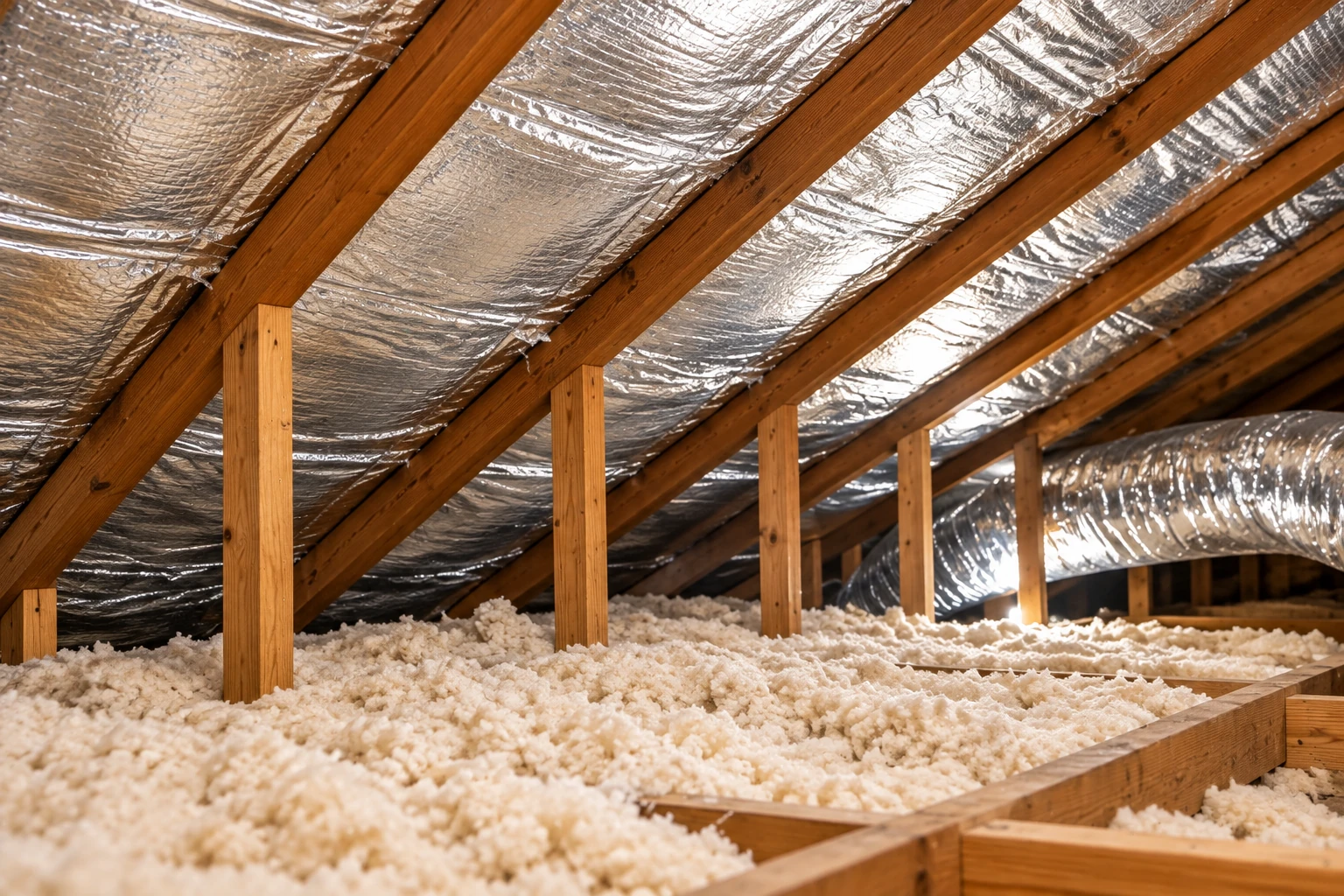
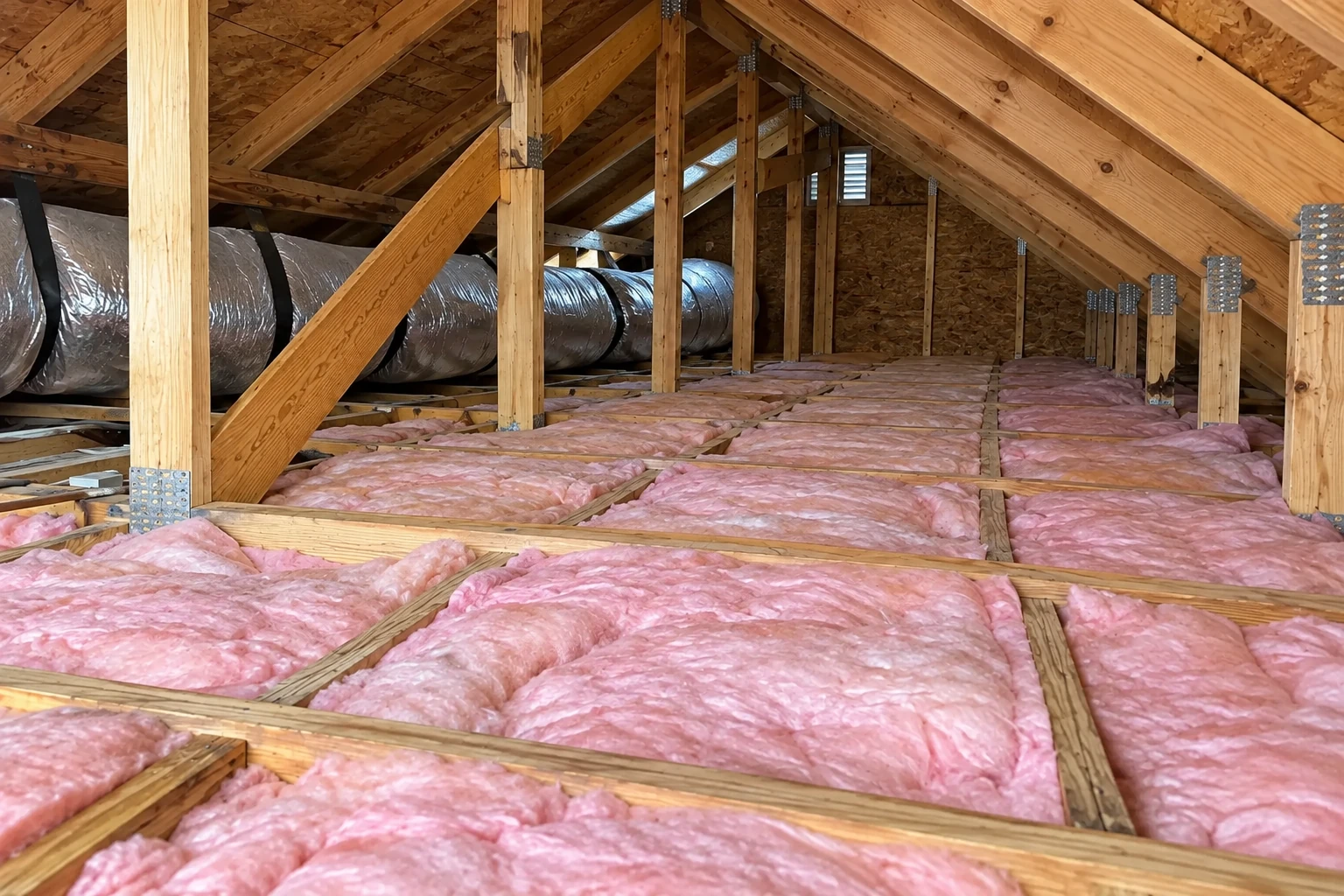
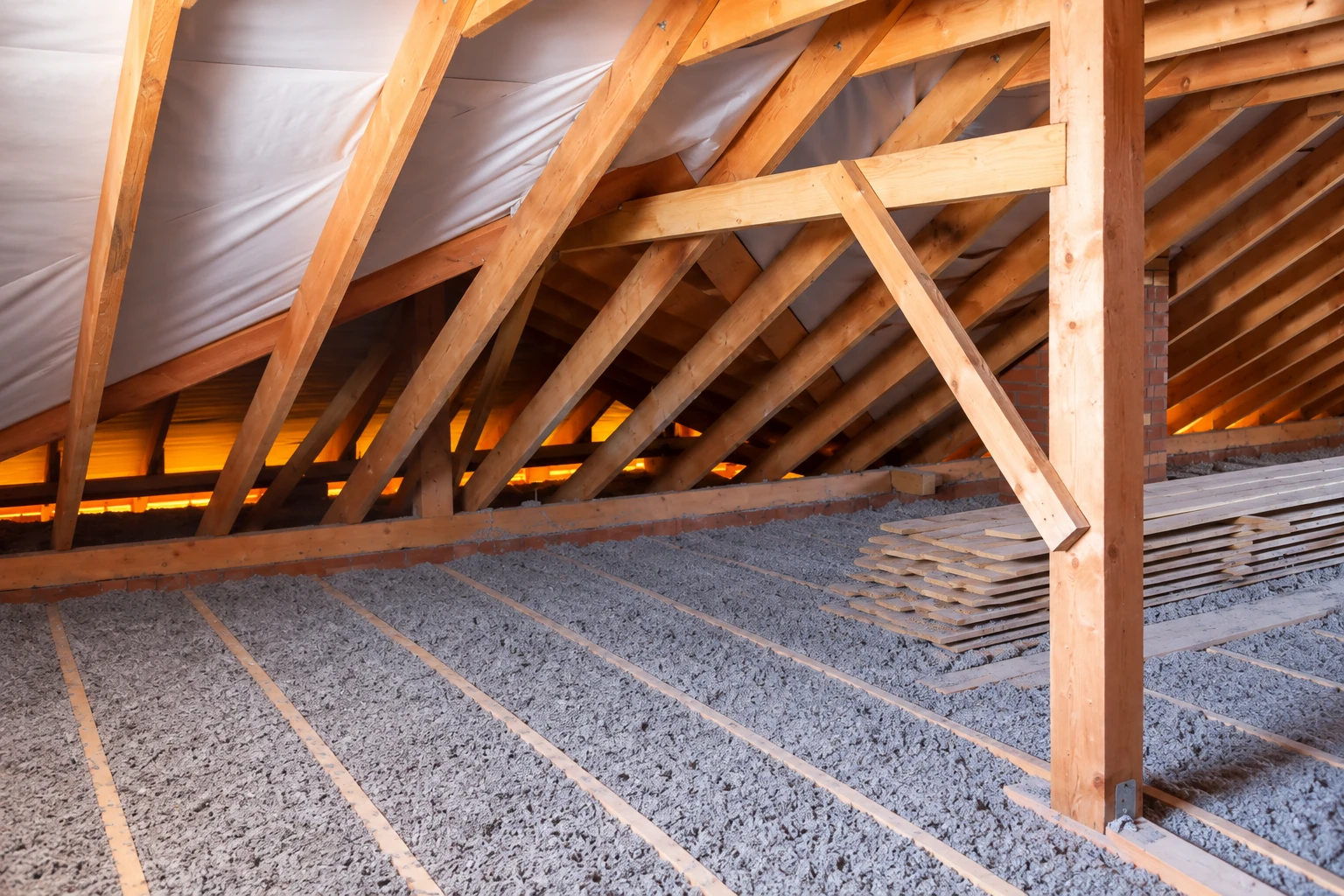
A ground cover only handles what comes up from the dirt. If the rooms above still feel drafty or the power bill stays high, the gaps at the top of the house usually matter more, and attic air sealing closes those before any insulation goes in. When a lived-in house needs more insulation under the floor or overhead, that's retrofit insulation, and we plan it in the right order alongside the barrier.
These are the steps once the crew is in the crawl space, in the order they happen.
Stored boxes and debris come out first so the plastic can lie on the ground everywhere, not around a pile. If you know what's stored down there, tell us ahead and we'll plan where it goes.
We roll the sheets out across the floor, overlap them, and fit them around pipes and piers following the drainage plan. Then the edges go up the walls and supports the way the estimate shows.
In a sealed crawl space we close every seam and opening in the plastic with a durable sealant made to match it. In a vented one that step isn't part of the job, and your estimate says which one you're getting.
Once it's down, a glance through the hatch every so often is worth it, because one maker's guide advises checking that seams stay secure and patching any tears with tape. A good time to look is right after a plumber or cable installer has crawled through.
Send the form or call (559) 409-1169, and expect a reply within one business day. Tell us where the crawl space access is, whether it has vents and if you have any gas or oil appliances, and we'll set a time for me to come out for a free on-site estimate. There's no obligation, so you can take the written estimate and line it up against other bids.
(559) 409-1169Yes, the trade uses both names for the same thing, and you'll see either one on a bid. Under a house, both mean the plastic ground cover laid over the crawl space dirt.
It can help, because a well-installed ground cover cuts soil gases such as radon along with ground moisture. The word that matters is well-installed, which is why the coverage and sealing details on your estimate are worth reading closely.
Have the appliance venting tested before and after, which is what ENERGY STAR suggests for homes with gas or oil appliances when a project seals the house. Sealing can sometimes make appliances that vent naturally backdraft, pulling exhaust gases back inside, so a test from a Home Performance Contractor is worth weighing. I note every gas appliance when I'm in the crawl space, so we talk it through before anything gets sealed.
The city issues permits only to the property owner or a state licensed contractor. When your job needs one, we apply for it as your licensed contractor and meet the inspector on site.
Before work starts, we check with the city or county office that covers your address, because whether a crawl space job needs a permit is that office's call. In Visalia that's the city's permit counter, which takes applications and points projects to the right people, and applications there now have to follow the state's latest building code.
We're based in Visalia and work across the cities around it, from Kingsburg and Selma to Hanford, Lemoore and Woodlake. A lot of what we crawl under is raised-floor houses with boxes stored on bare dirt and old pipe runs in the way, and the job goes the same way in Tulare as it does here. If your city isn't named on the site, call and ask.
Call (559) 409-1169 or use the form, and tell us where the access hatch is so I know what to bring and how to plan the visit.
If you're not sure what's under your floors, call or send a note and I'll come take a look.
Tell us about your project