
Mon–Fri: 7 AM–9 PM, Sat–Sun: 6 AM–9 PM(559) 409-1169
EnergyFit Visalia Insulation SolutionsEnergyFit Visalia Insulation Solutions

Retrofit insulation in Visalia CA - added over what's sound, in the right order

Hot upstairs, a drafty room over the garage, a high power bill? We seal the leaks first, then add insulation where your house is short.

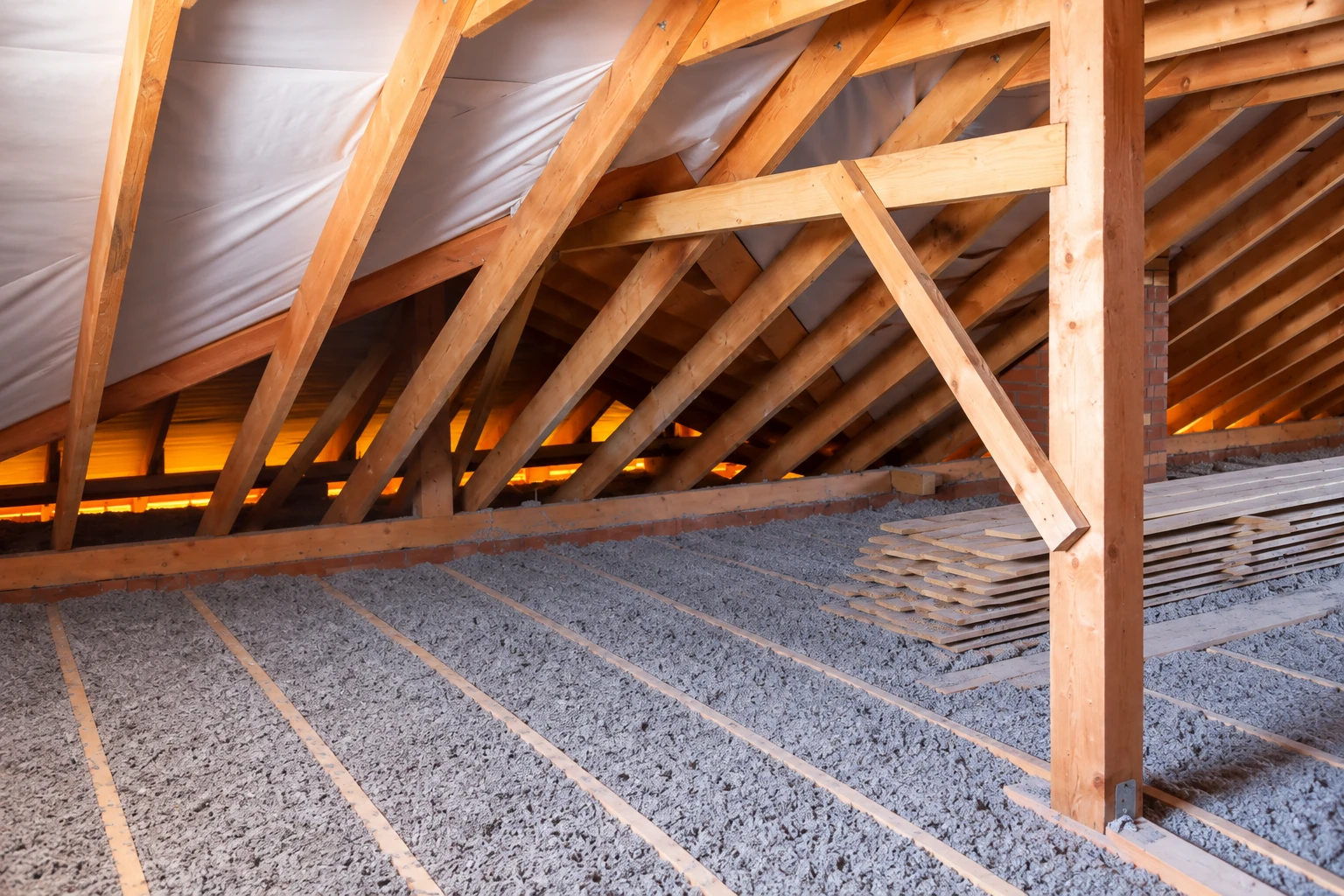
Attic with loose-fill insulation across the floor beneath exposed wooden roof trusses and white roof lining.

How do you add insulation to a house that already has some?

Retrofit insulation adds insulation to the attic or exterior walls of a house you already live in, so rooms hold their temperature better and less outside noise comes through, and in Visalia we usually do it by sealing the ceiling's leaks first, then topping up what's already there instead of tearing it out.

Most calls start the same way. The upstairs is hot, the room over the garage won't stay comfortable, or the power bill is higher than it should be, and there's already some insulation up there. I learned this trade insulating new houses with every wall open, and a lived-in house is harder because old insulation, wiring, ducts and stored boxes are all in the way, so the work has to go in the right order.

The price mostly comes down to how many inches are already up there and whether they can stay, how many gaps need sealing, how easy the attic is to get into, and whether the walls are part of the job. The schedule turns on the same things, plus anything that has to happen first, like a lab test on old insulation or a permit check with the city. Your estimate lays out each step in the order we'll do it, with photos of what I found.

What happens after you call us about retrofit insulation?

I'd rather show you what's in your attic before we talk about what to add, so it starts with a visit.

I go up into the attic and photograph it

I come out myself, get into the attic, and take photos and notes on everything there, from the old insulation and how many inches it runs to wiring, gas appliances and stored items. I started this business in Visalia in 2023 after learning the trade on new houses, and that first look is the part I never hand off.

Your estimate lists every step in order

I write an estimate that puts each step in the order we'll do it, so you can see why sealing comes before new insulation. Then I go over the photos with you, so every line on the estimate points to something you can see.

The crew follows that order, then I check it

On the day, our trained installers protect your house and do the work in the order the estimate lists, and I check it against the estimate before we pack up. We're licensed and insured. Satisfaction guaranteed on every job.

Our retrofit insulation work, from what stays to what goes in

We add to what's already in your attic or walls instead of starting over, as long as the old material is sound. That means I check it first, any wet or fouled patches come out, the ceiling's gaps get sealed, and then new material goes in over the rest. When we finish, you get a written statement of what's in the attic now, old and new together, so you know exactly what's up there.

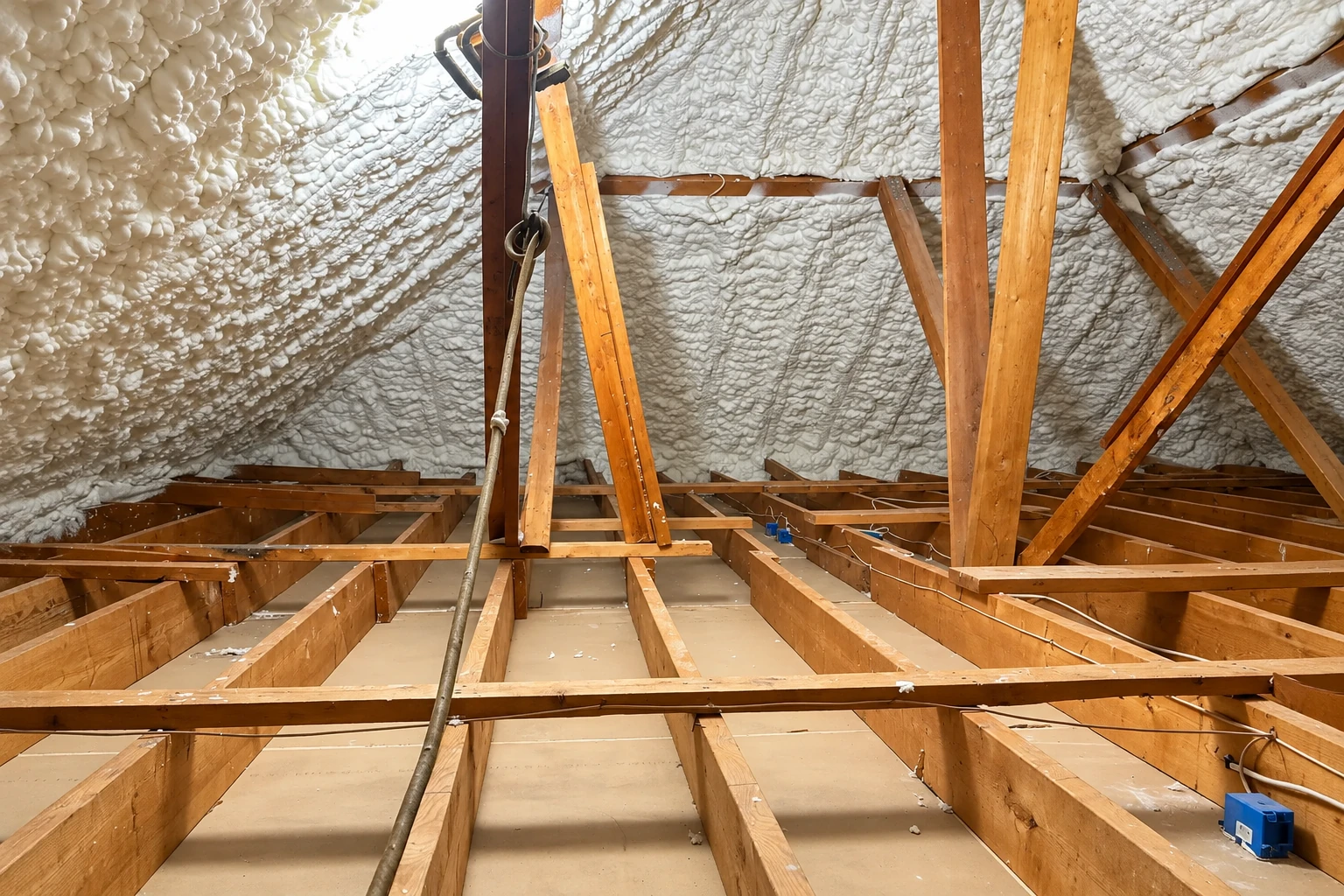
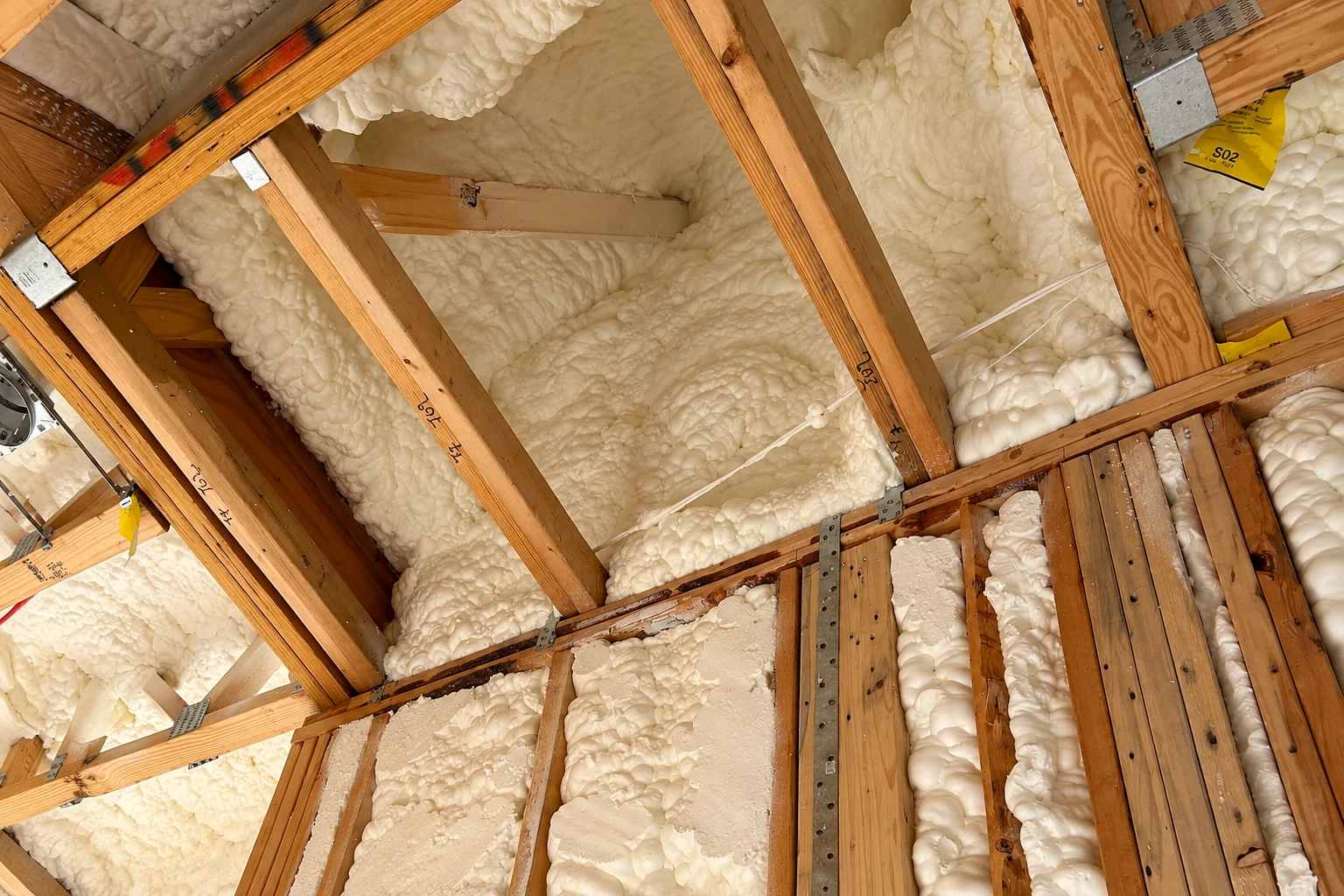
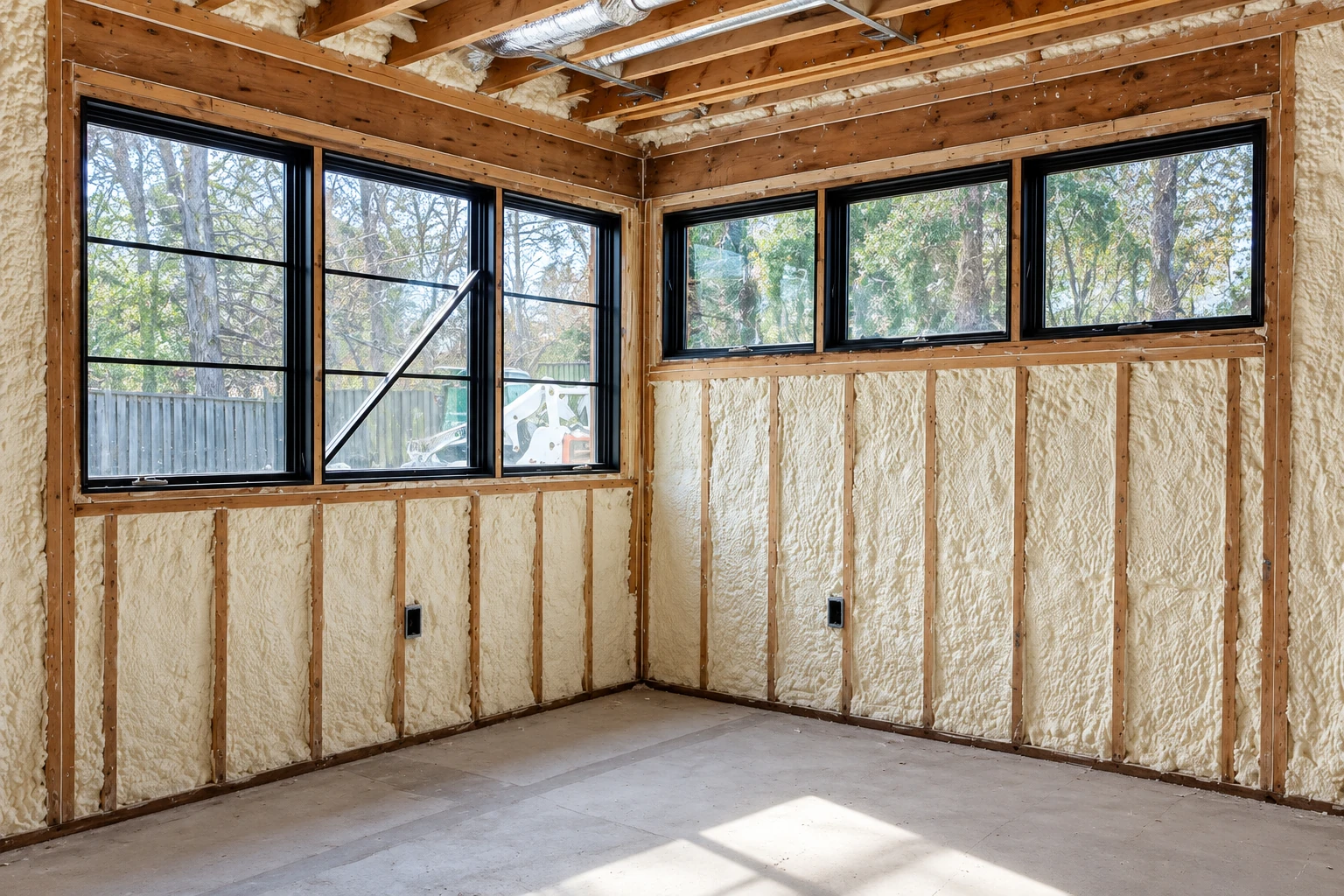
Some houses need more than a top-up. Spray foam insulation costs more because it seals air while it insulates, and I'll suggest it when your ductwork runs through the attic, but for most attics, sealing the gaps and adding loose fill does the job for less. If the old material is in bad enough shape that adding to it makes no sense, our attic insulation work starts the attic fresh.

  • Topping up attic insulation over old material that's still dry and clean
  • Drill and fill for exterior walls that were built empty
  • Pulling out only the old material that's wet, matted or full of droppings
  • Sealing ceiling gaps before any new insulation goes down
  • Fixing the hot upstairs room or the room over the garage

How we do an attic retrofit, step by step

Each step sets up the next one, so we don't skip ahead even when a step looks small.

  1. Clear out what can't stay

    Old insulation that's been soaked by a roof leak or fouled by rodents comes out first, because new material laid over it hides the problem instead of fixing it. Dry, clean insulation stays where it is.

  2. Seal the ceiling before we fill

    We do the air sealing first, closing the gaps around can lights, pipes, wiring holes and the attic hatch, so the new insulation isn't fighting a draft. Once those gaps are buried, they're much harder to reach.

  3. Keep the eave vents open

    We set baffles, short channels at the eaves, so insulation can't spill into the vents and the attic keeps breathing. When vents get buried, moisture builds up and shows later in the framing.

  4. Blow it in evenly, out to the edges

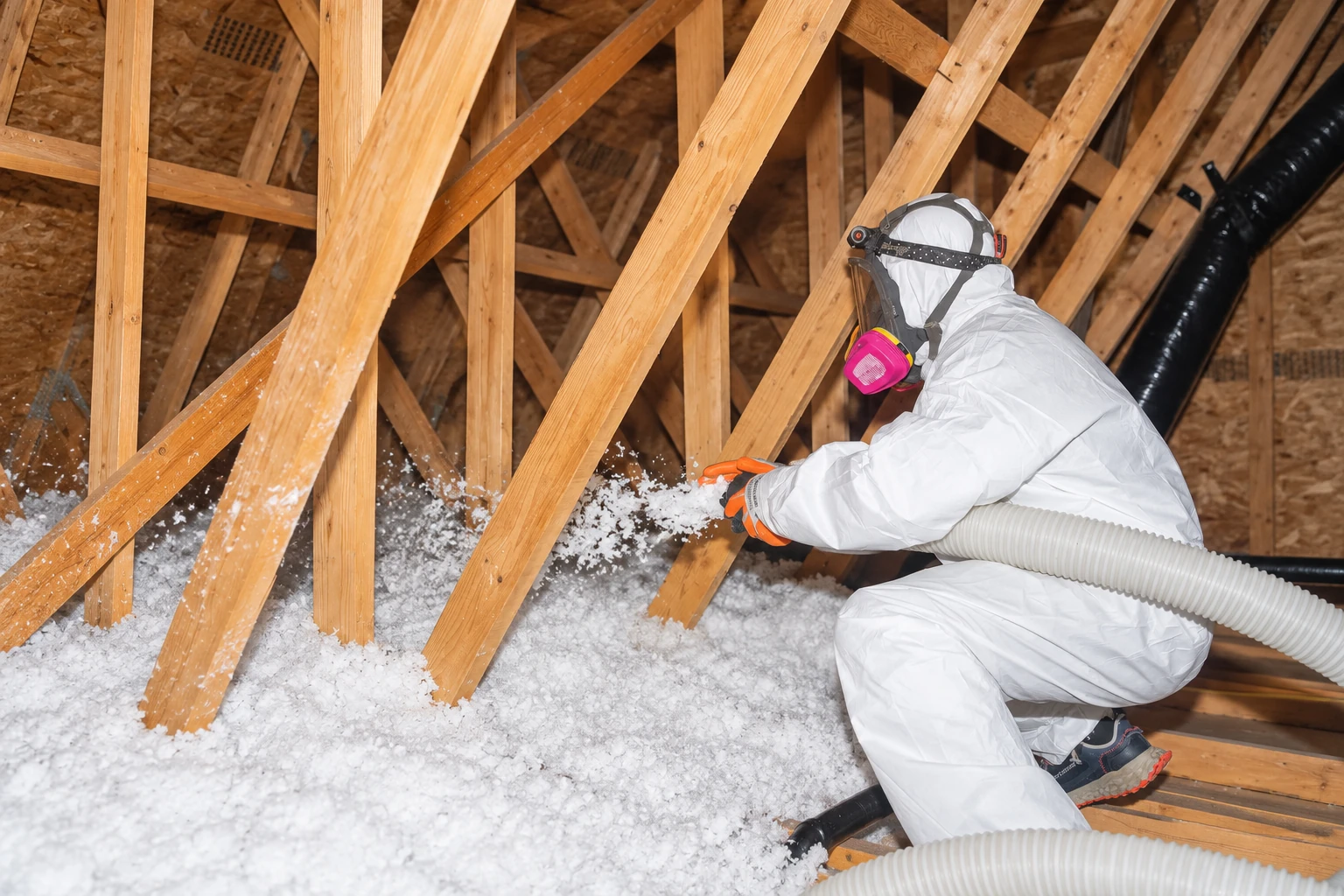
    Blown-in insulation, loose fill sent through a hose, goes in at an even depth across the whole ceiling, right out to where the roof meets the walls. A deep middle with thin edges is a common mistake, so we measure the inches in several spots before I sign off.

Get a written retrofit plan with photos of your attic

Tell us a little about your house and the best way to reach you. Expect a reply within 1 business day to set a time, then I'll come out for a free on-site estimate with no obligation. You get it in writing, along with the photos I took.

(559) 409-1169

Questions about retrofit insulation in Visalia

How much insulation does my attic need in Visalia?

Under California's Energy Code, the total in an existing attic, old plus new, has to meet the state's attic requirement, and the contractor who installs it has to certify that in writing. If the attic is too shallow to hold the required R-value, the rating for how well insulation slows heat, the code calls for filling all the space you can reach, within other building code limits. That certification is the written statement we hand you at the end, and you can ask any contractor for one.

Can my walls be insulated without tearing them open?

Usually, yes, with drill and fill, where insulation is blown into each wall cavity through small holes near the top. You choose whether those holes go on the inside or the outside of the wall. In an older house, two things can change the plan, because the national electrical code doesn't allow insulation around knob and tube wiring, the early style of home wiring, and in homes built before 1980, lead safety rules may apply depending on how much wall gets disturbed.

Is it safe to disturb old vermiculite insulation in my attic?

Not until an approved lab has tested it and found no asbestos. That's federal ENERGY STAR guidance, which says to leave vermiculite, a pebbly gray-brown loose fill found in some older attics, undisturbed until the test comes back. If I see it during the estimate, I'll show it to you in the photos, and the test comes before any insulation work.

Permits and retrofit work in Visalia

The City of Visalia's permit counter issues permits for renovation work inside the city, and only to the property owner or a state-licensed contractor, so ask anyone you're considering which license they hold. For insulation, the state licensing board's C-2 insulation and acoustical license covers installing insulating material for temperature or sound control. Before work starts, we check with the city or county office that covers your address, and when a permit is needed, we apply for it as your licensed contractor and meet the inspector on site. New permit applications have to meet the current state building code, and the city posts a handout of required items for insulation and roofing projects you can read while you plan.

We're based in Visalia and work across the cities around it, from Kingsburg and Selma to Hanford, Lemoore and Woodlake, and if your city isn't named on the site, call and ask. We see a lot of lived-in attics with older insulation packed thin, boxes stored on the joists and ducts running through, and those are exactly the attics where the order of the work matters most.

Call us to look at your attic

If you know the year your house was built, how to get into the attic, and whether there's vermiculite or knob and tube wiring, tell us when you call (559) 409-1169 or use the contact form, because those things decide what comes first.

If you're not sure whether your attic needs more insulation or just needs sealing, ask us and I'll tell you what I'd look at first.

Tell us about your project
(559) 409-1169Get an estimate